Community Health Responders for
Trauma & Emergency
When the hospital is hours or days away, the first responder is your chance for survival
Many communities in Nepal are often hours away from hospitals. This is where community health responders (CHRs) can help save lives. HAPSA equips teachers, police, drivers, and volunteers as CHRs to deliver life-saving trauma care in the hours before patients reach a hospital. These CHRs can play a critical role in responding disasters when they happen in their community.

THE PROBLEM

For many rural communities across Nepal, the nearest healthcare facility can be hours away. Global data show that CHRs can save lives and improve disease burden when it comes to other illnesses like TB, HIV, and pneumonia. In trauma, one of the largest burdens of disease globally and in Nepal, CHRs have the potential to save lives. In Achham district, Bayalpata Hospital is the nearest facility equipped for trauma care, serving a catchment of roughly one million people. Many patients travel 9–10 hours to reach it. Nepal has no established Emergency Medical Services system in these areas, so most trauma patients arrive at the hospital having received no care at all along the way.
That delay is the difference between recoverable injuries and preventable deaths. Far-western Nepal carries one of the country's highest burdens of traumatic injury, from agricultural work, road accidents, and disasters, compounded by distance from health infrastructure.
Our Approach
The first tier of emergency care already lives in the community.
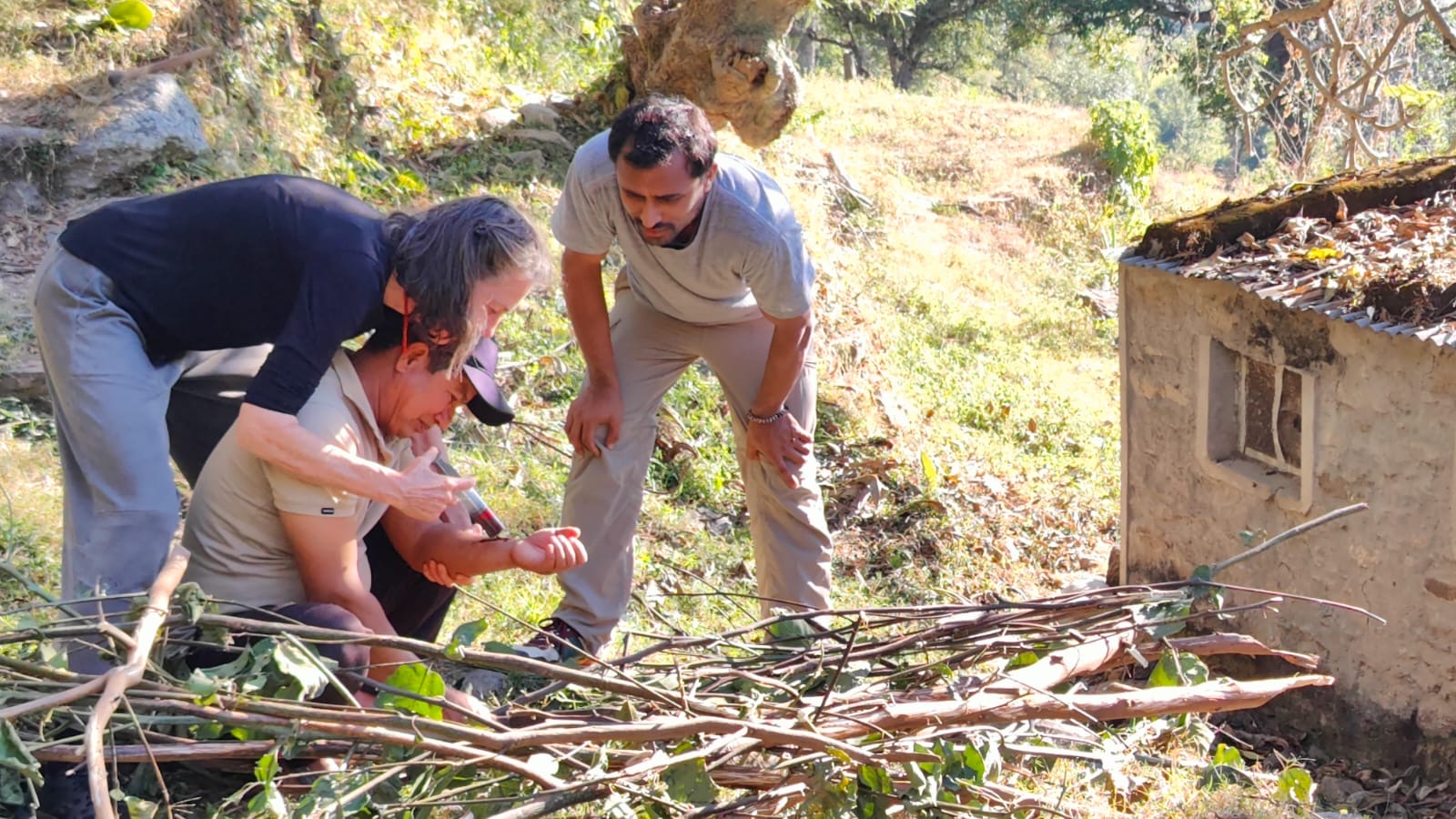
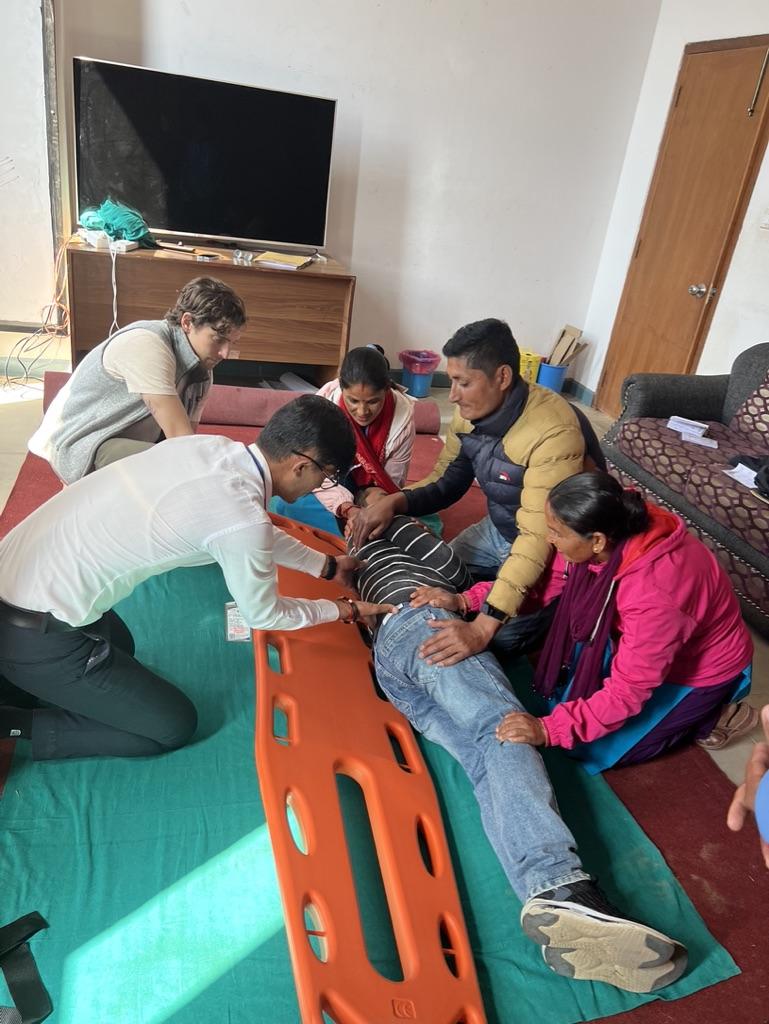
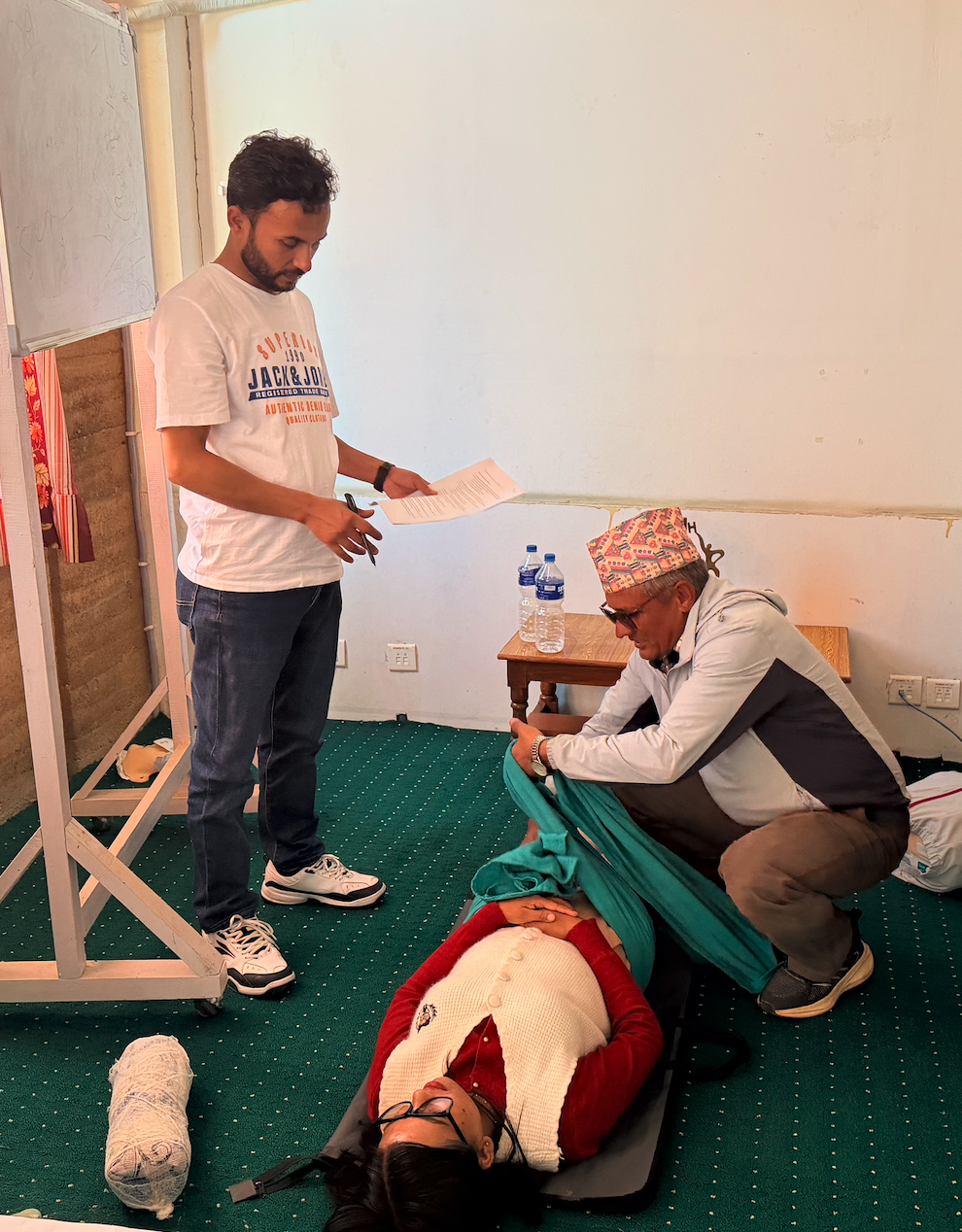
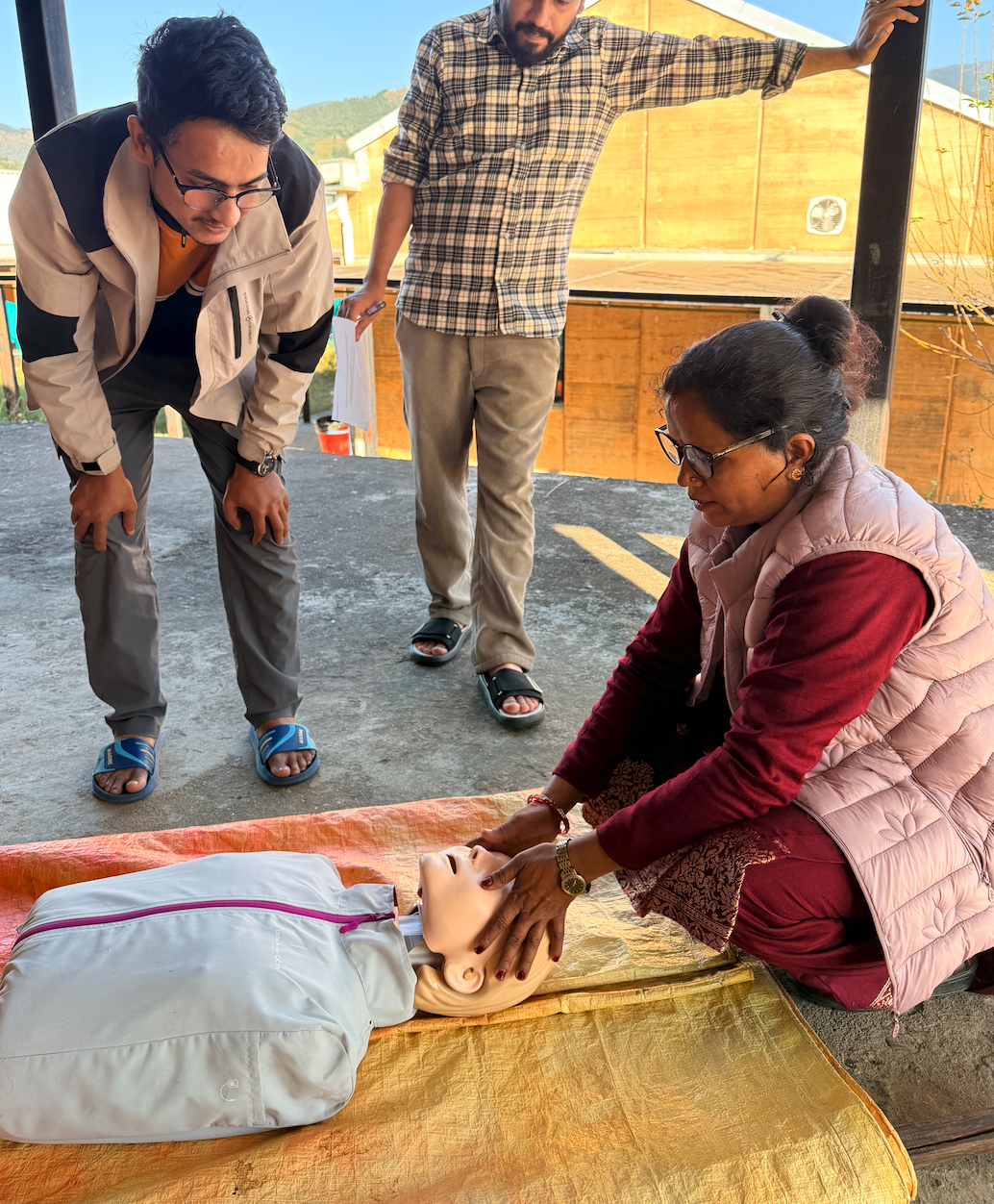
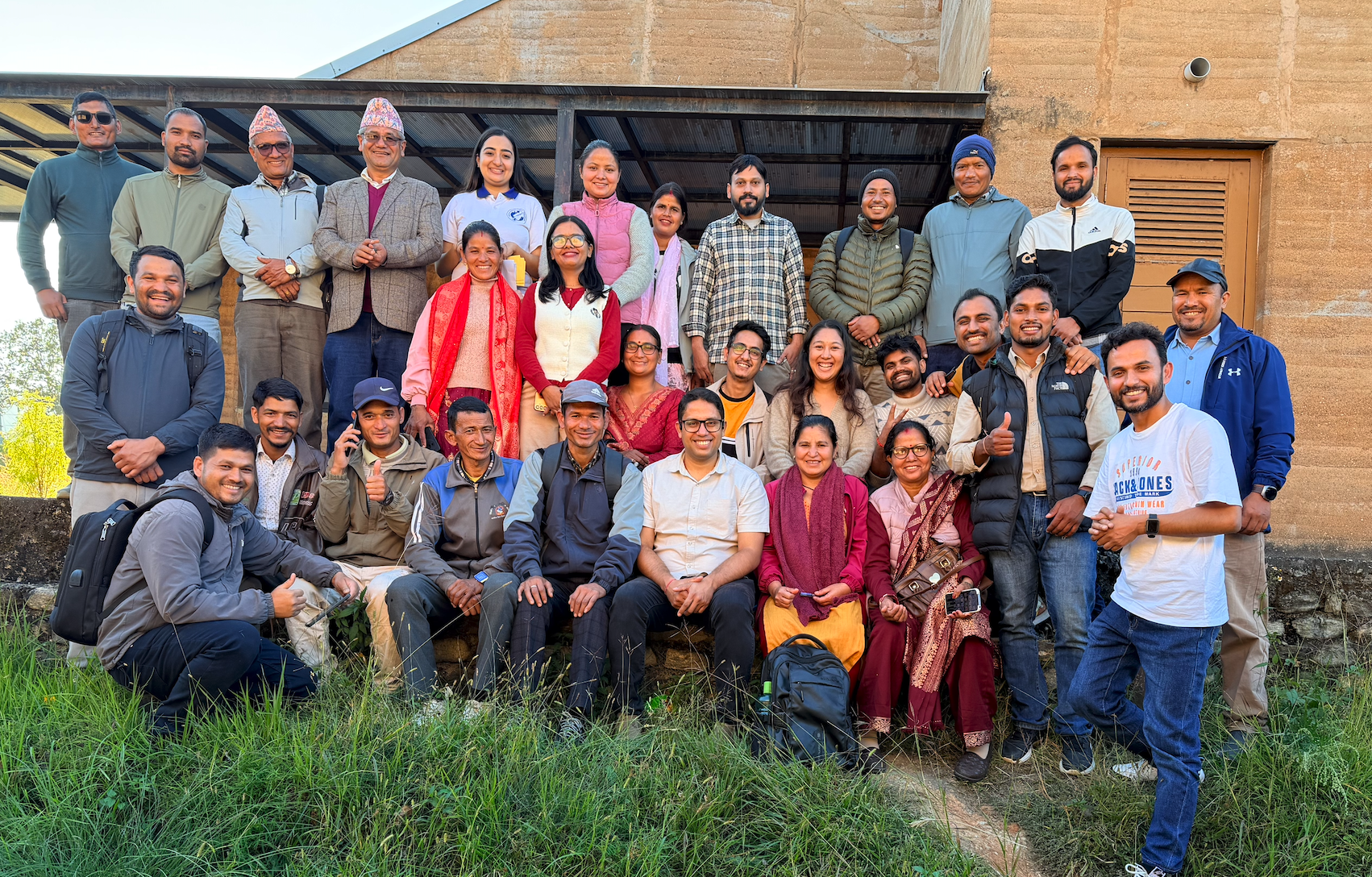
In 2023, HAPSA designed and delivered a trauma training program for 35 CHRs in Ramaroshan, one of Achham's most remote municipalities, where the average journey to the hospital is six hours.
How the training was built:
-
Adapted from the WHO Basic Emergency Care course and American College of to fit local injury patterns, with input from Bayalpata medical team and Achham communities on the injuries they actually see.
-
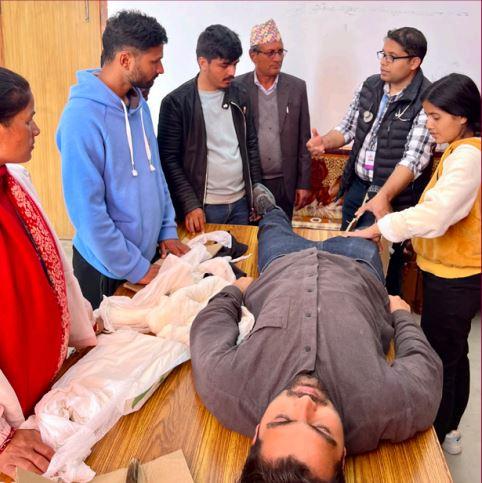
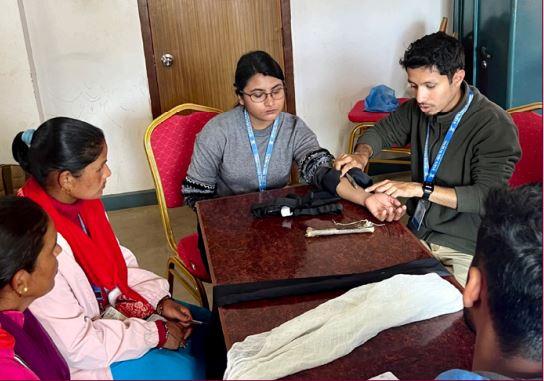
Two days, hands-on practice for fracture immobilization, bleeding control, tourniquet application, chest wound dressing.
-
Local healthcare workers were trained on the curriculum first, so they can teach future CHR cohorts themselves.
-
The municipality and hospital leadership identified and selected the CHR candidates, people who often already respond.
All CHRs receive:
-
A picture-based handbook that has a step-by-step skills guide designed, no reading required.
-
Local healthcare workers were trained on the curriculum first, so they can teach future CHR cohorts themselves.
-
The CERT app (Community Emergency Response Toolkit) that has practical trauma and emergency care videos in Nepali, covering bleeding control, fractures, burns, choking, poisoning, and cardiac arrest.


Community Trauma Care Videos

In Achham, our team worked with the Global Health Media Project (GHMP) to design and develop the first-ever community-based videos for emergency and trauma care. These videos were later translated and transcribed into Nepali, validated by HAPSA for the Achham community, and integrated into the HAPSA CERT app. Globally, GHMP has translated these videos in various other languages. Recently, the WHO has adapted these videos to be used for Basic Emergency Care and Community First Aid Responder training around the world.
The Next Step
Now that we have pilot-tested a model package and validated its components of trauma care provided by CHRs, we are preparing a larger implementation and testing of the program in the entire district of Achham. This two year project starts in January 2027. Ultimately, we aim to see if CHRs can improve patient outcomes after a traumatic injury, and develops an implementation strategy. Our curriculum package is in alignment with the WHO BEC and CFAR courses.
Read the published study
"Challenges and Opportunities in Developing a Comprehensive, Rural, Trauma-Care Program: Experiences from Nepal".
Ramu Kharel, MD, MPH, CtropMed; Mandeep Pathak, MD; Derek Lubetkin, MD; Bibhav Acharya, MD
Rhode Island Medical Journal, 2024.
All research →