Point-of-care Ultrasound
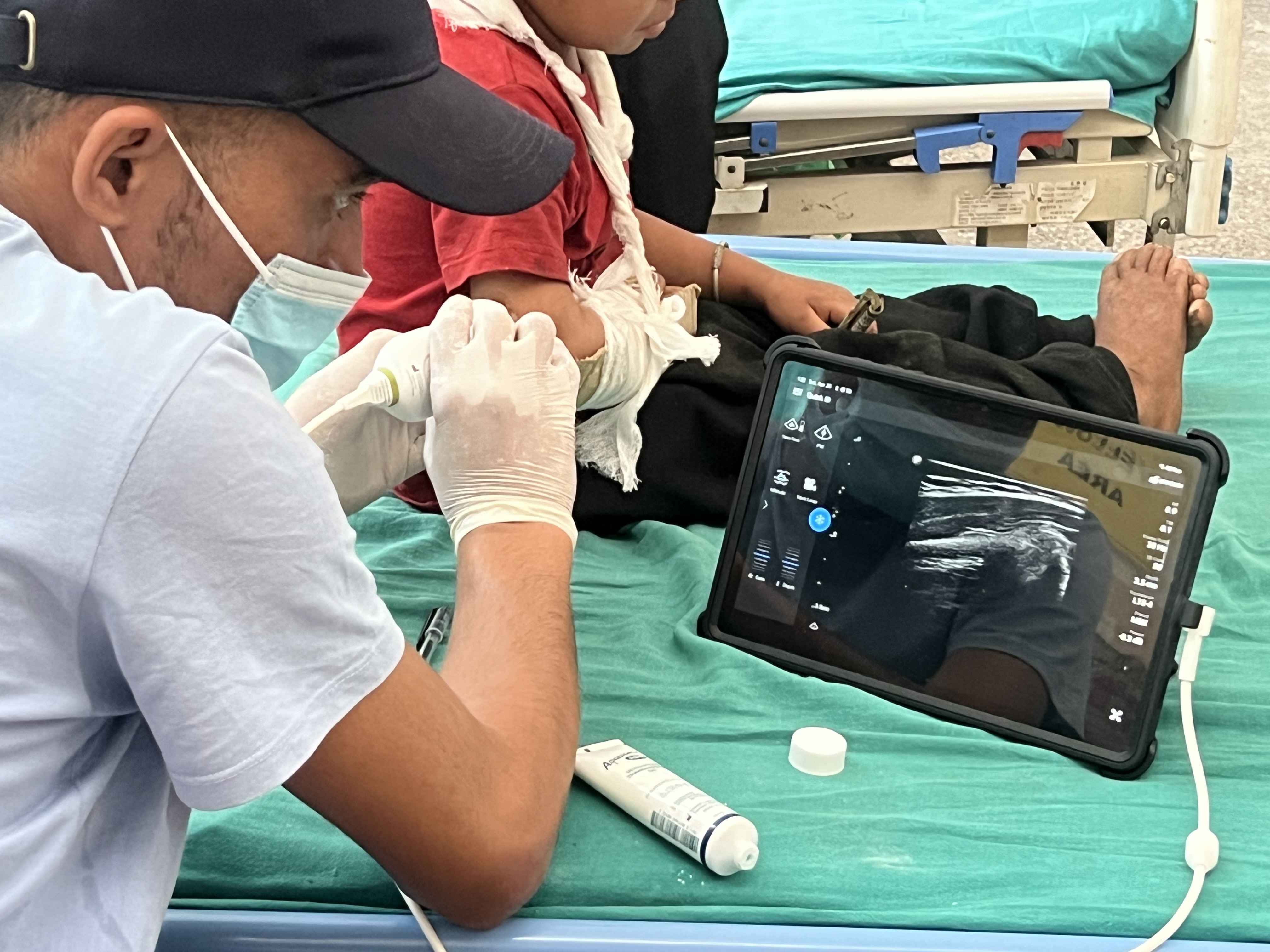
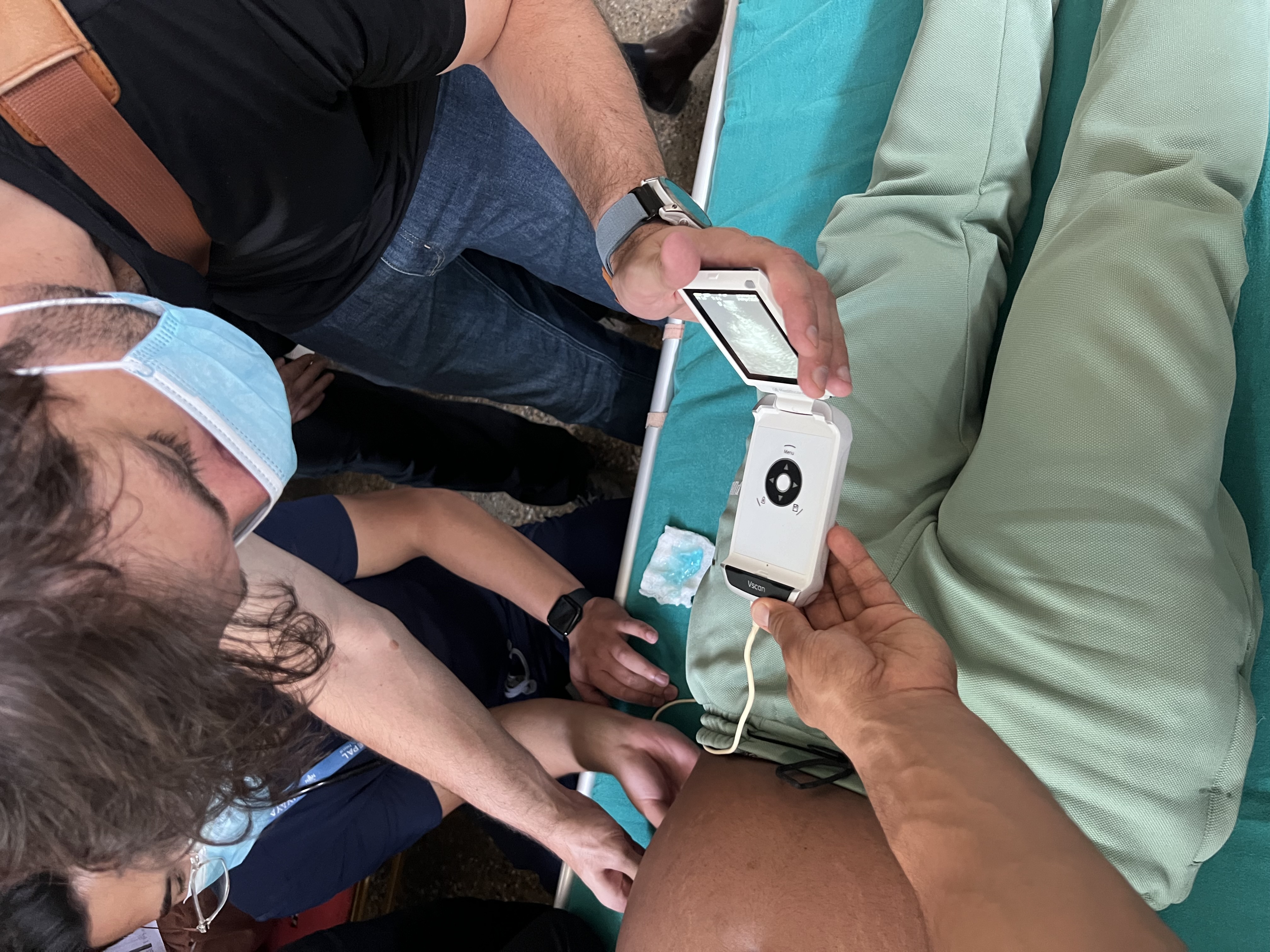
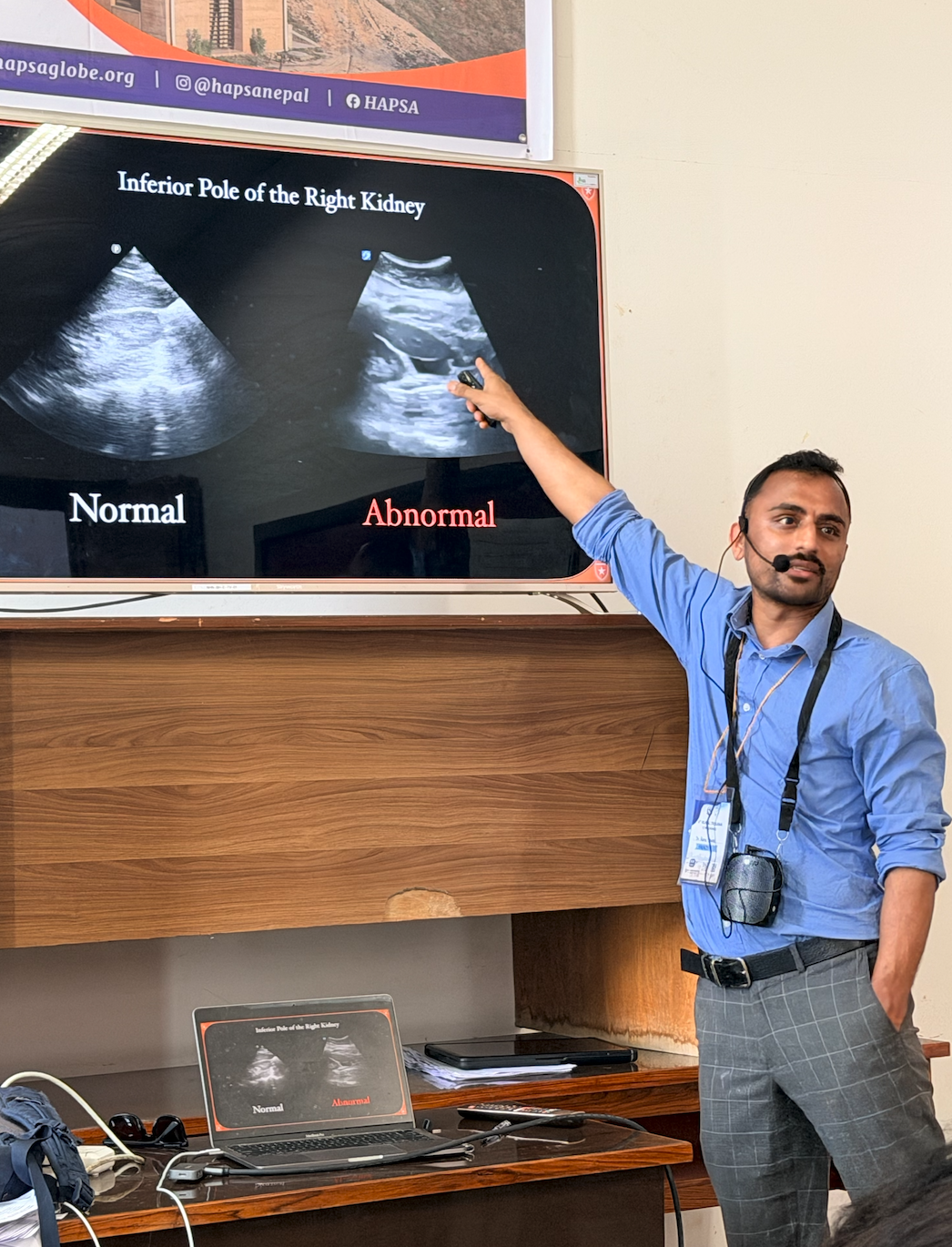
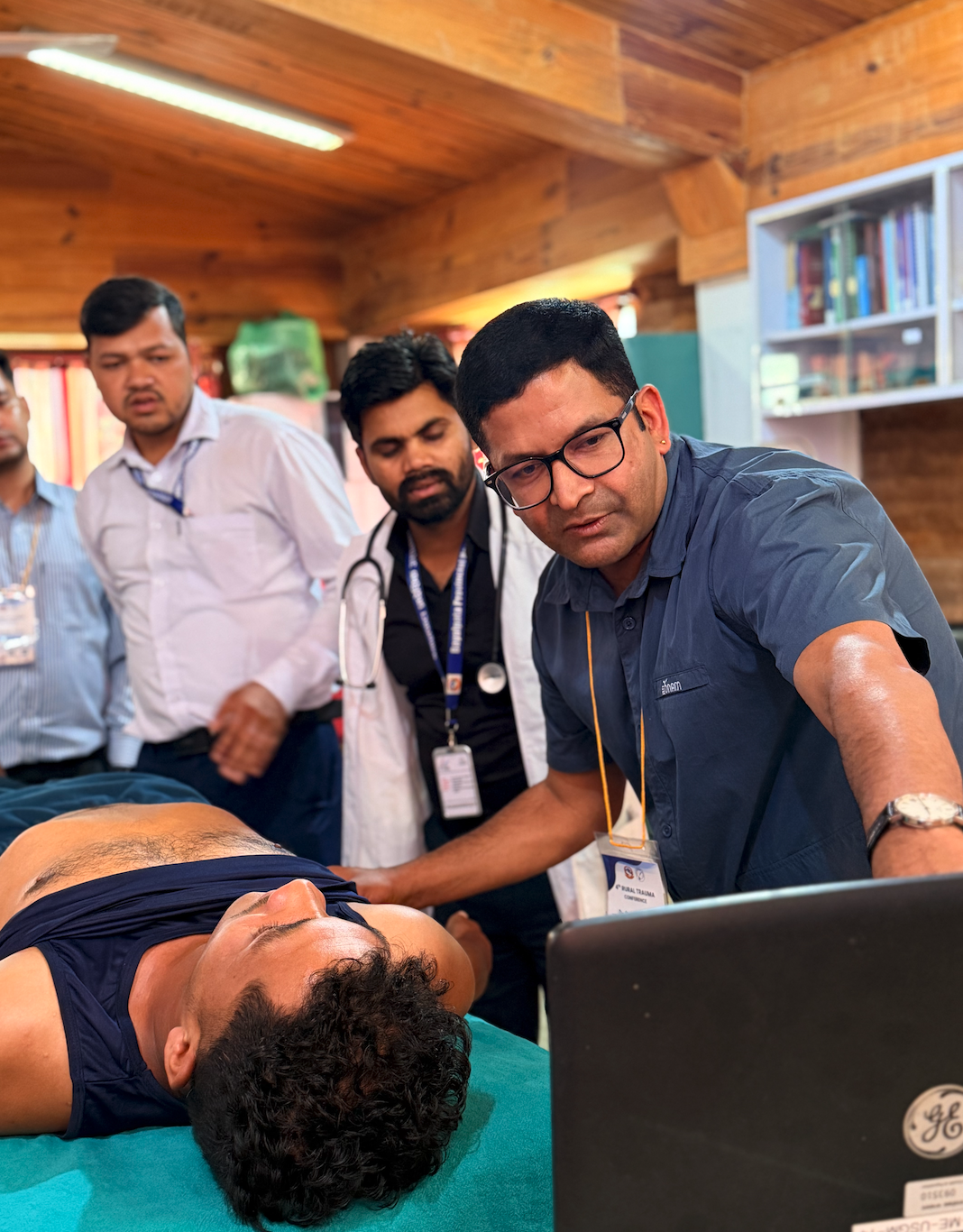
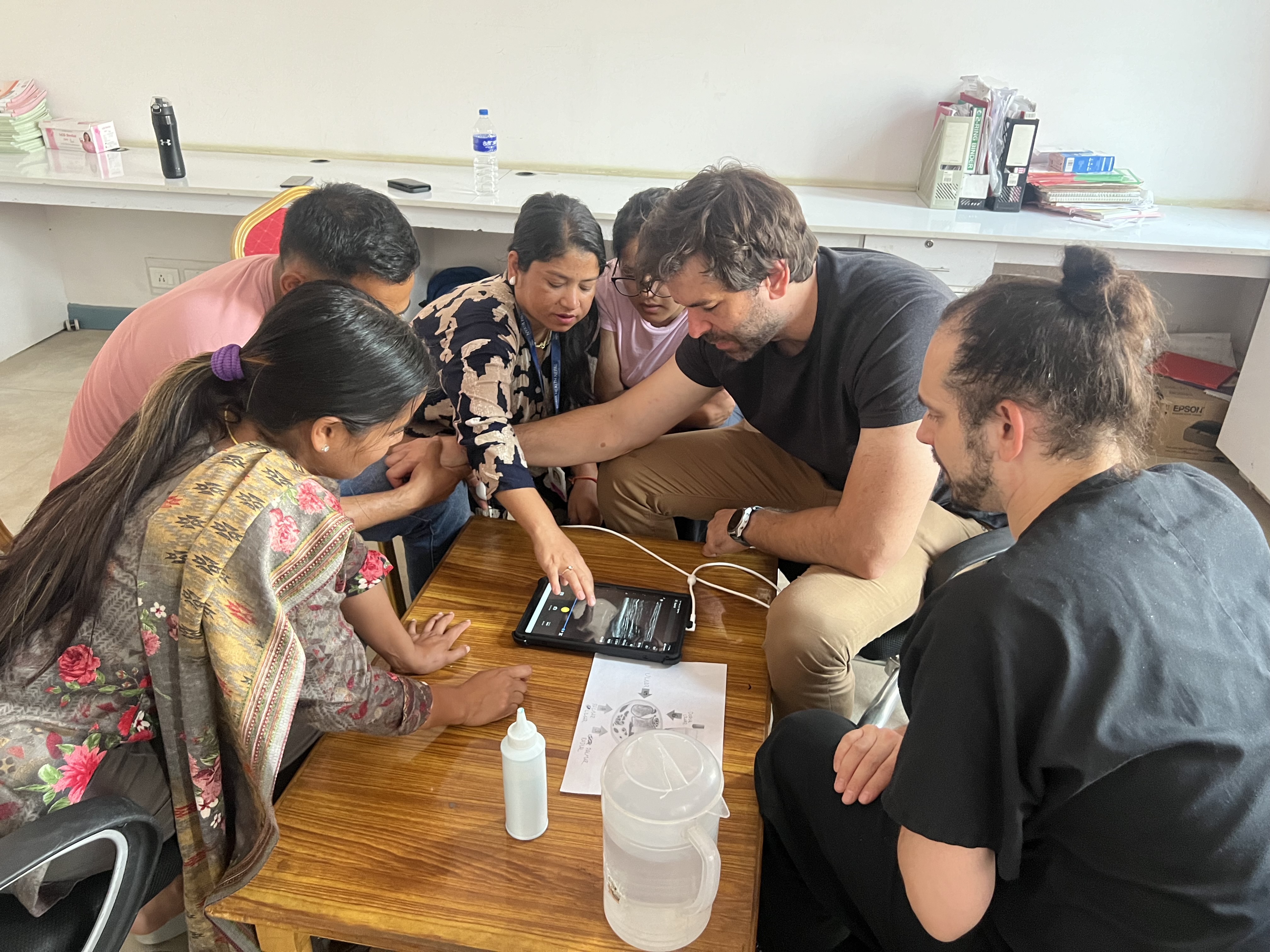
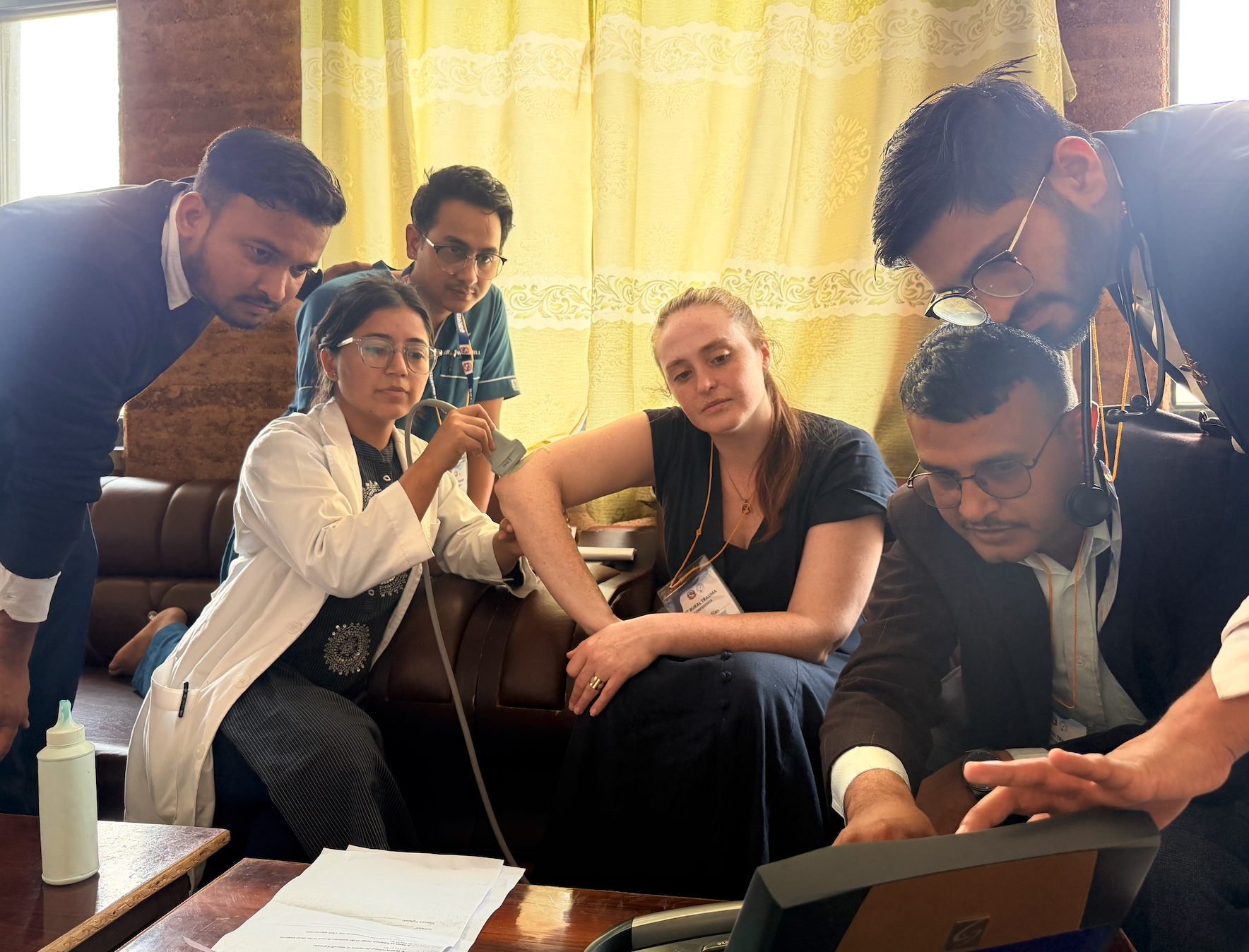
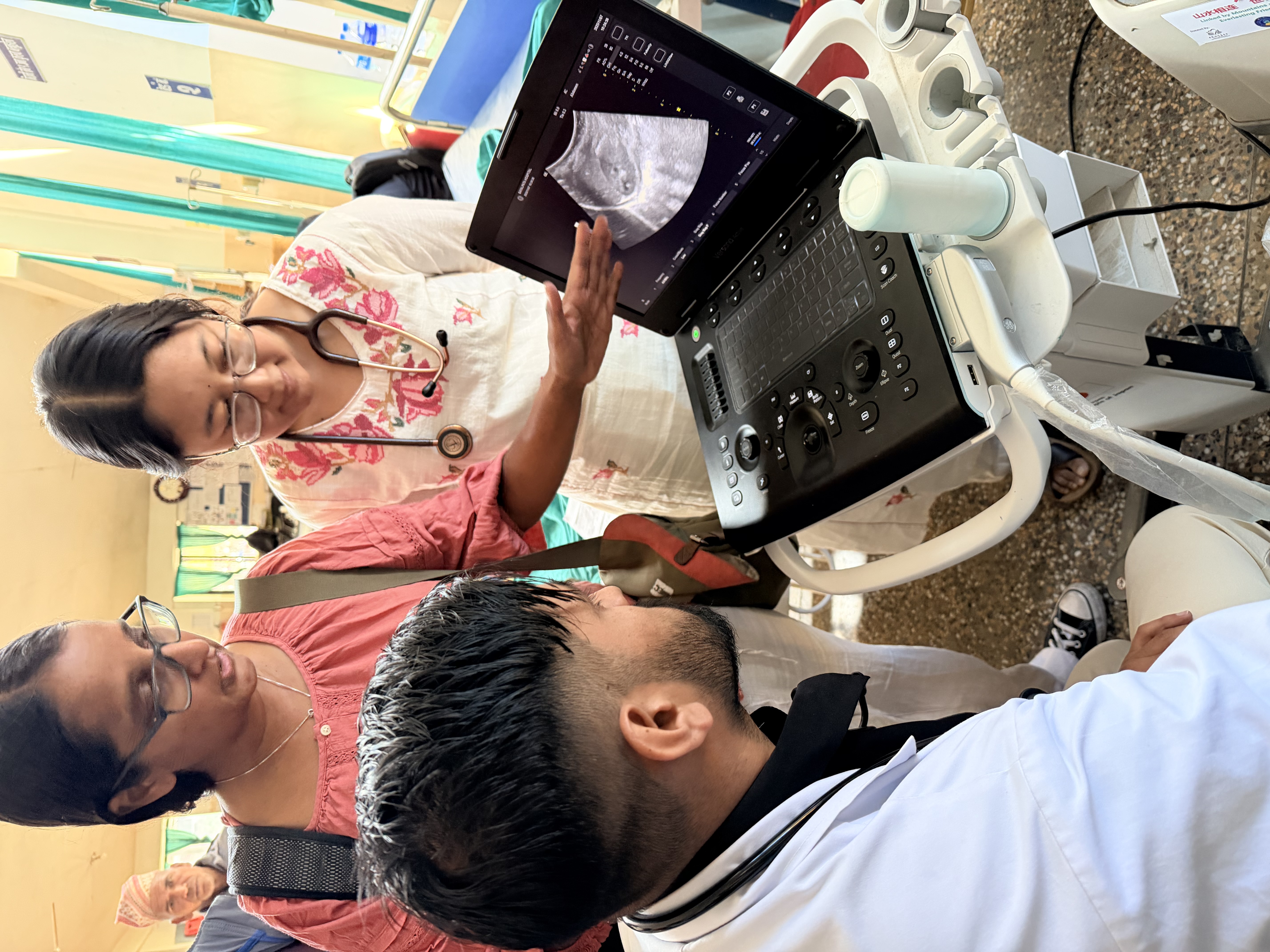
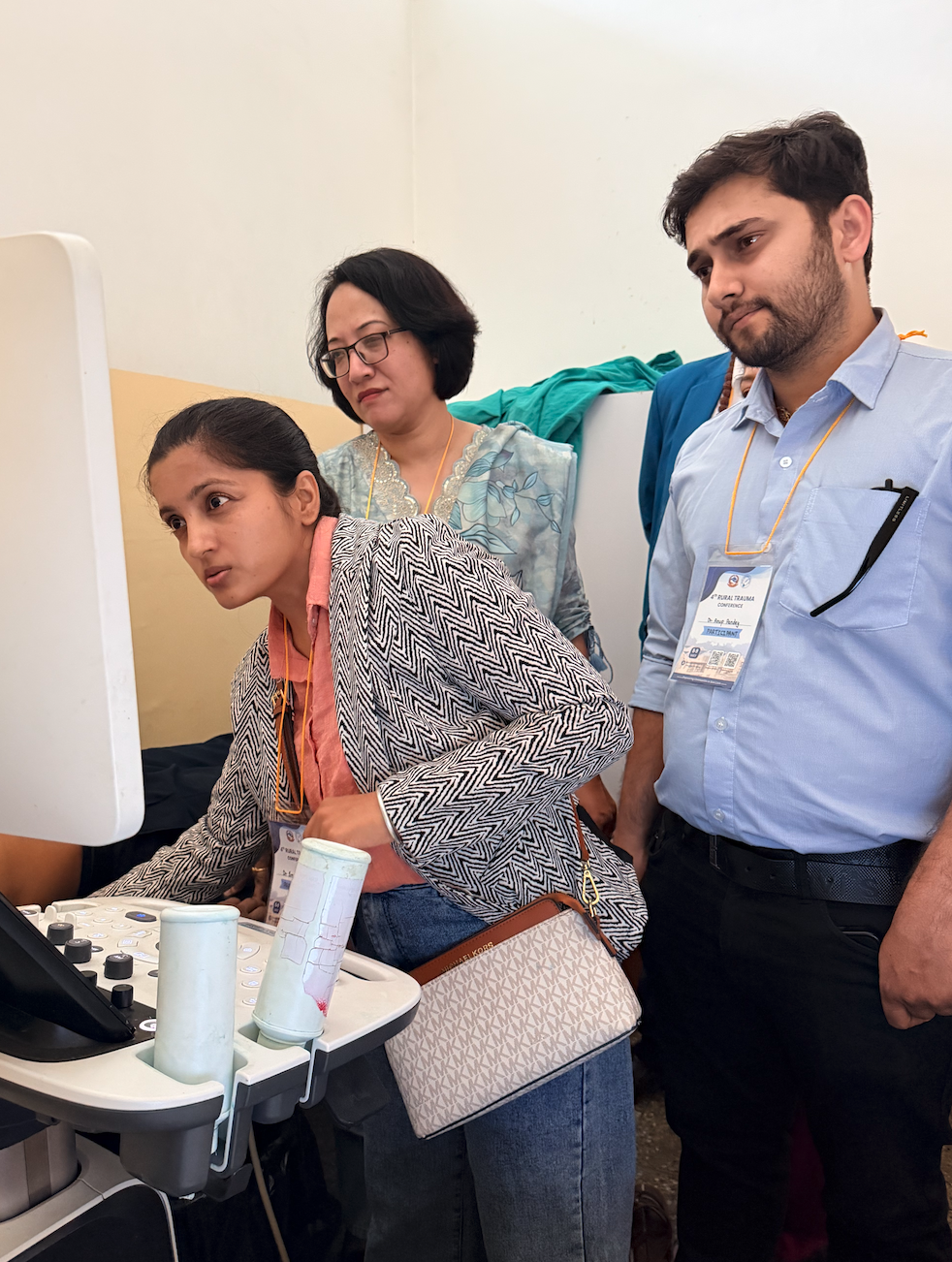
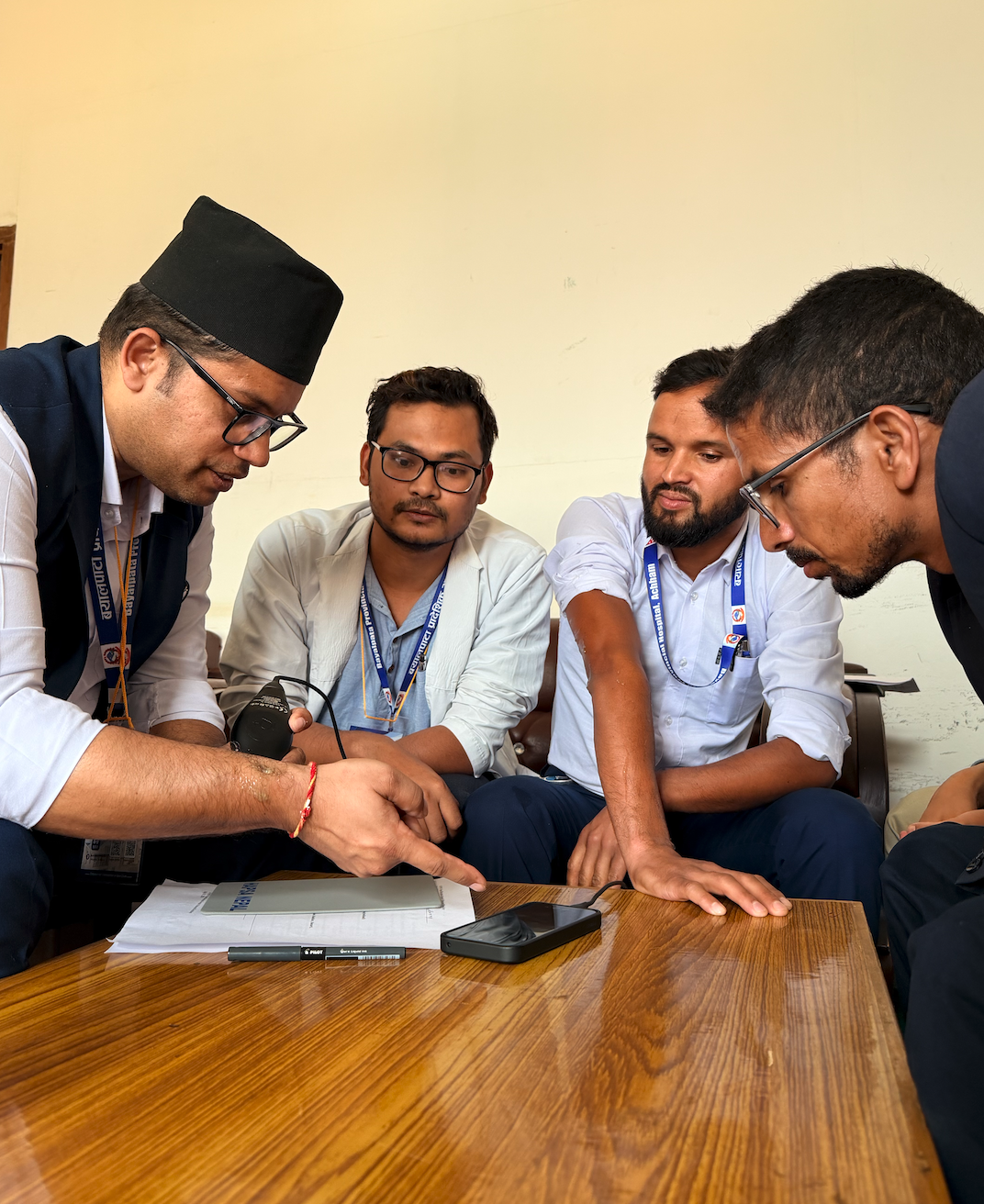
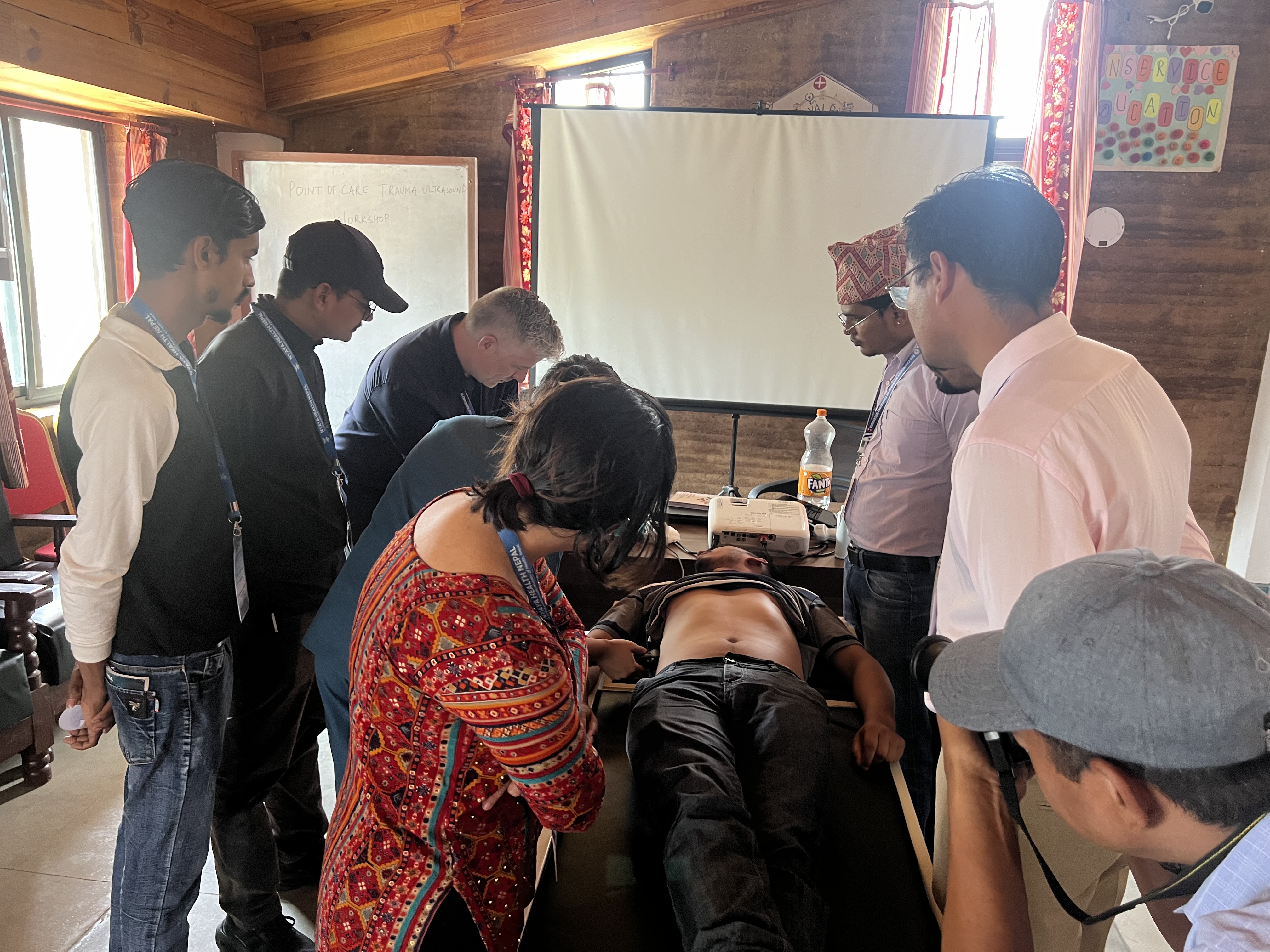
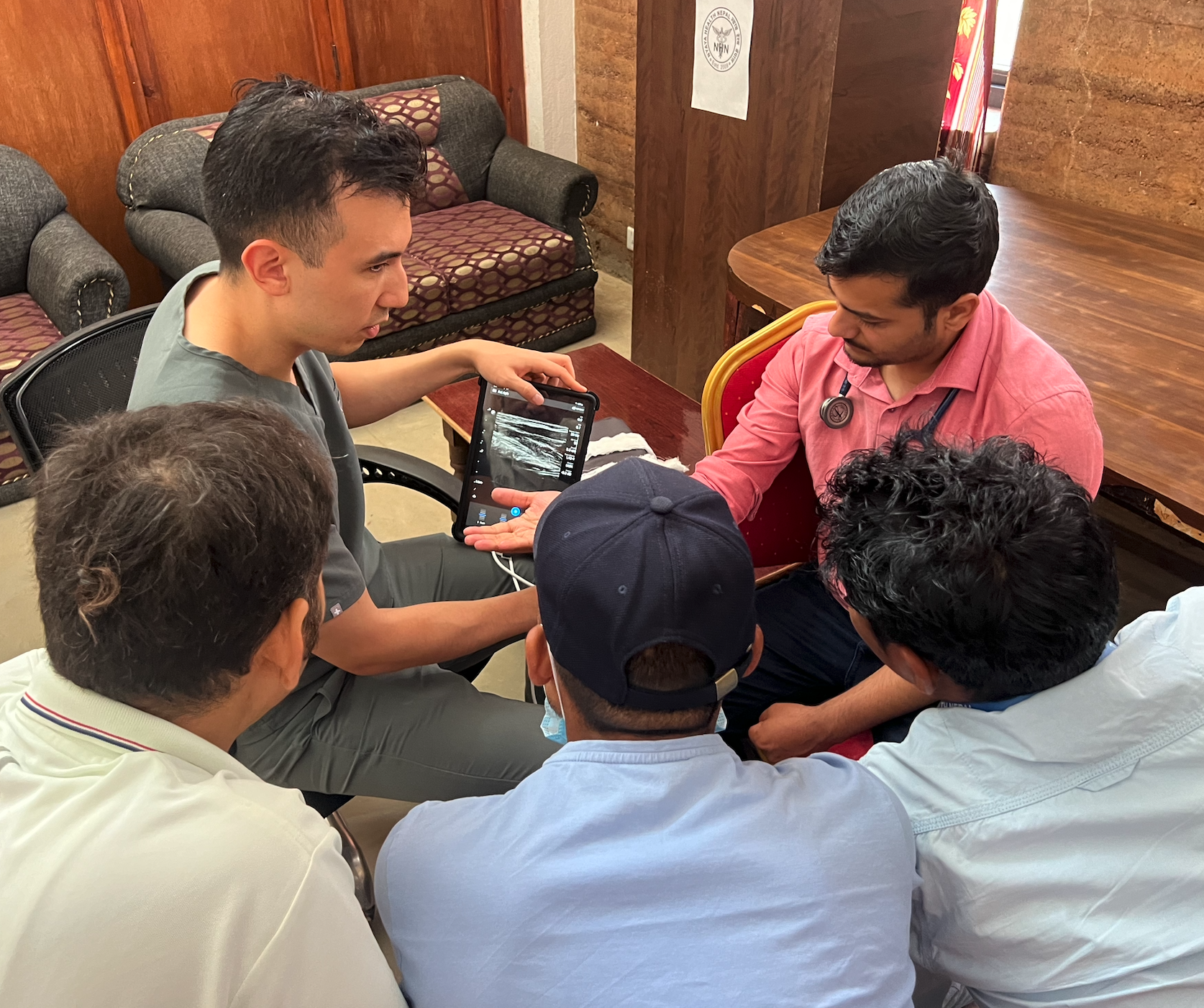
Point-of-care ultrasound (POCUS) is a portable, low-cost tool that can be used to diagnose and manage multiple emergent conditions. HAPSA trains rural healthcare providers on POCUS and equips facilities, so patients have access to evidence-based diagnostics and therapeutics in rural regions. Our national and international trainers use bedside, hands-on teaching approach. Training has included identifying emergencies after trauma, heart and lung ultrasound, identifying blood clots and diagnosing extremity fractures.
Access to imaging where there is no radiologist

POCUS Case Example: Upper Extremity Fractures
THE PROBLEM
2.5 million
42%
8+ hours
disability-adjusted life years lost to fractures in Nepal each year
of all trauma in Nepal involves the upper extremities
travel time to Bayalpata Hospital for many patients in the far-west
How the upper extremity fracture training was done?
1
Two days, hands on
Over two days, providers move from classroom teaching into hands-on practice, learning a standardized six-view scanning protocol for identifying fractures of the radius and ulna in adults and children.
2
Competency, tested
Before the training ends, every provider sits a written exam and a practical test, scored by a trainer against a standard checklist. Only those who pass go on to use the skill in practice.
3
Into the emergency room
Three months after the April 2025 pilot at Bayalpata, all seventeen providers were using ultrasound in routine emergency care — diagnosing at the bedside, referring fewer patients for X-ray, and relying less on other staff to confirm what they could now see themselves.


Read the published study
"Acceptability, appropriateness, and feasibility of a point-of-care ultrasound program for the diagnosis of forearm fractures in rural Nepal: a mid-level provider qualitative study".
Weldon E, Pathak M, Katz E, Perice L, Chand SB, McCabe L, Nesemann S, Zhao J, Dworkin M, Kharel R.
BMC Medical Education, 2026.
All research →