Nepal Life Savers Program
Basic lifesaving skills, in the hands of the people who get there first

In an emergency, three things can kill a person within minutes: a blocked airway, a heart that has stopped, and bleeding that will not stop. All three can be supported by an ordinary person with basic training, potentially to save a life.
The Nepal Life Savers Program teaches those skills to the people most likely to be there when it happens, from police officers and teachers to students, health volunteers, and municipal staff, in districts across Nepal. More than 3000 people have been trained so far and equipped with the knowledge and confidence to act in an emergency.
Basic Lifesaving Skills
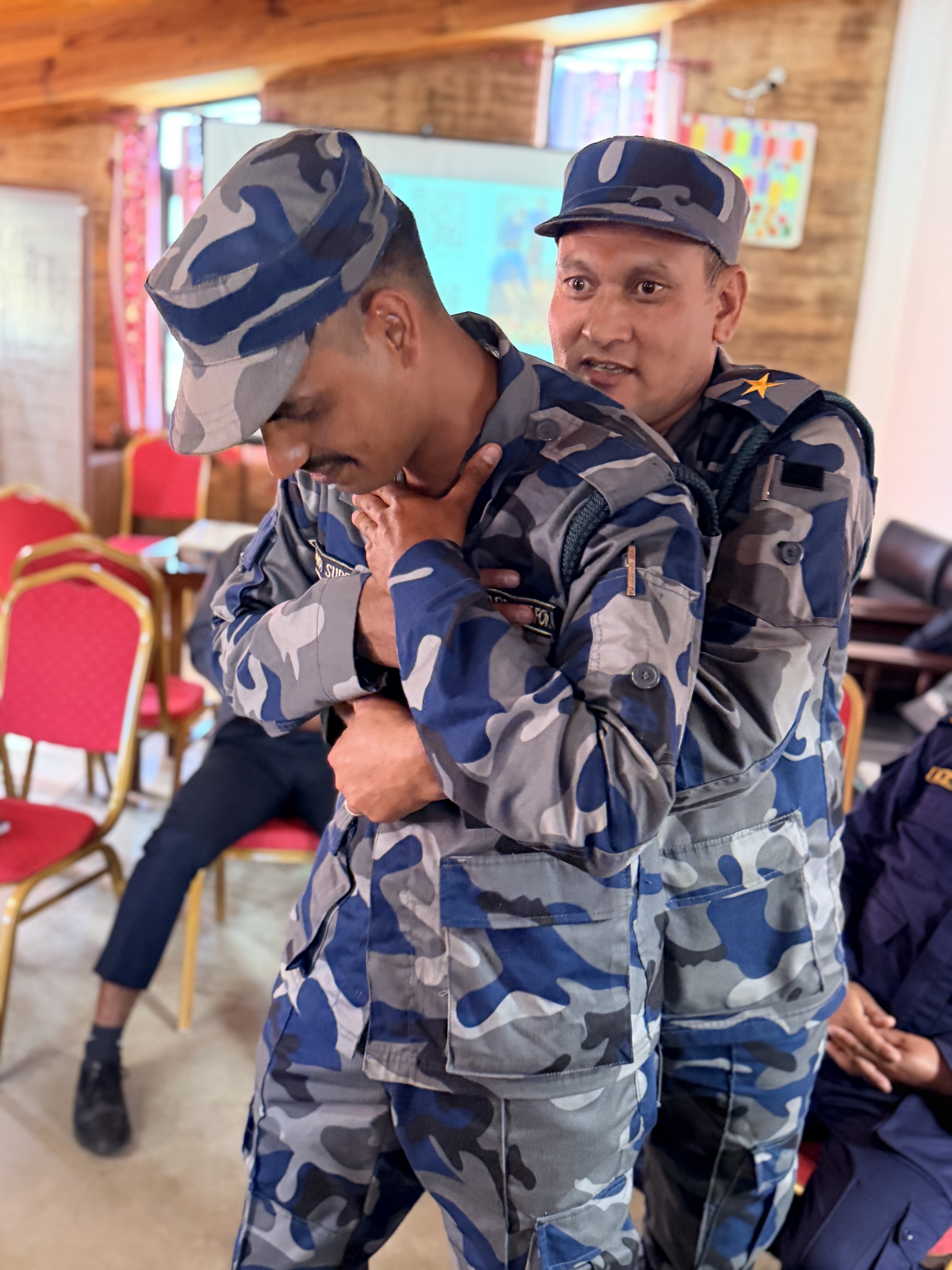
Choking First Aid and Airway Management
We provide comprehensive training on recognizing and responding to airway obstructions in adults, children, and infants. Participants learn the Heimlich maneuver and other critical techniques to clear a blocked airway quickly and effectively, ensuring oxygen flow is restored within the vital first minutes of an emergency.
Hands-Only CPR Techniques
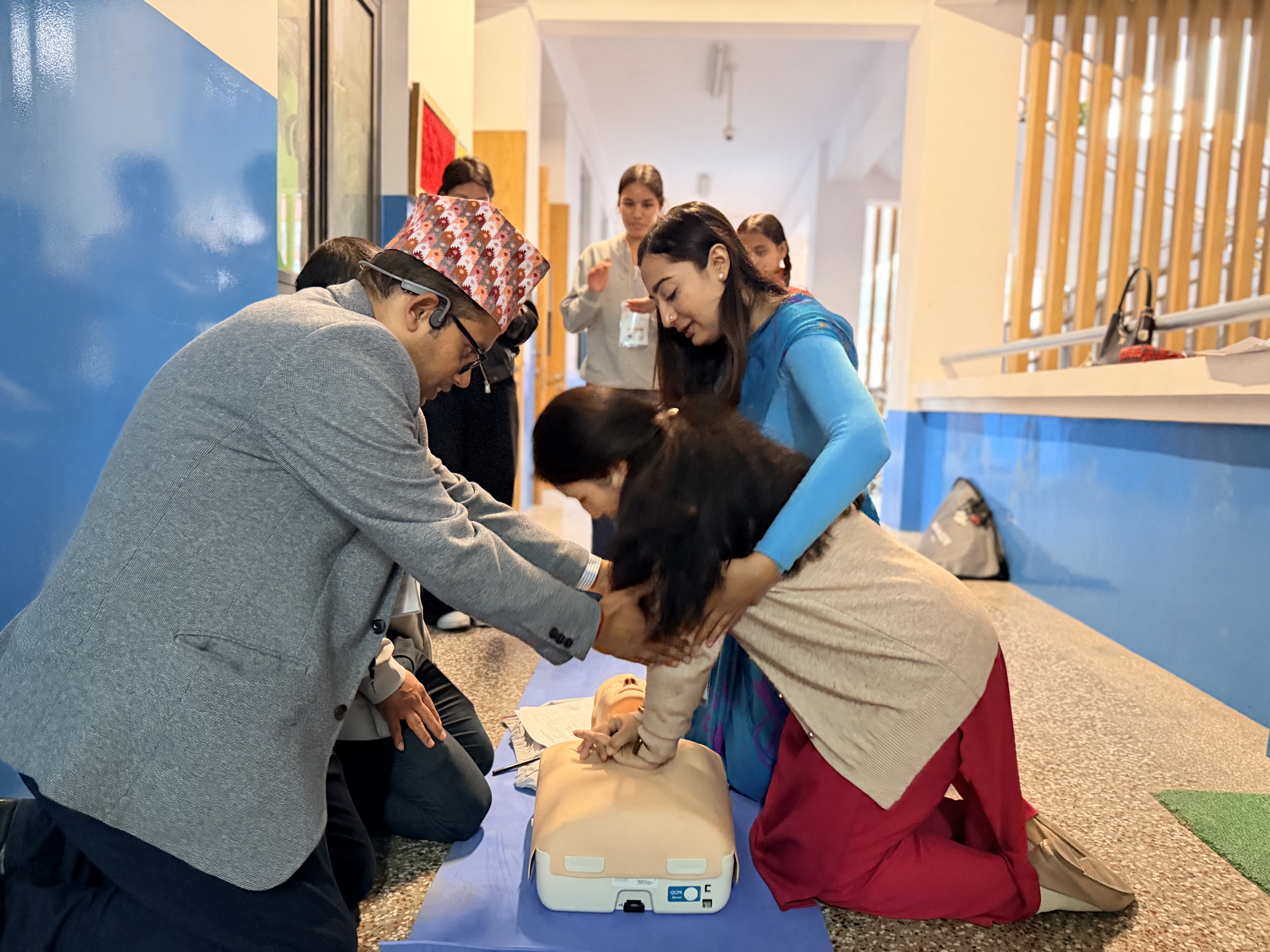
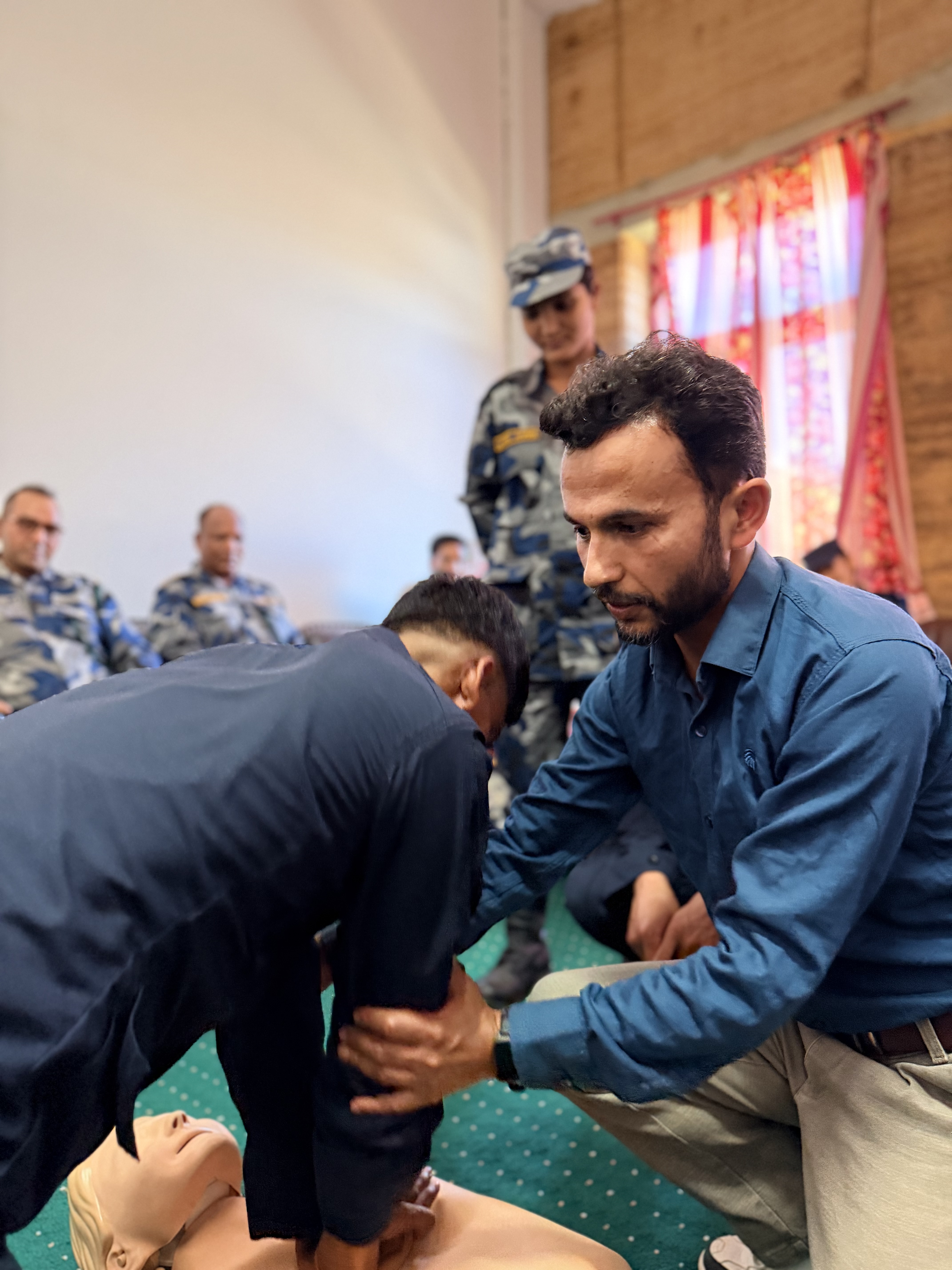
Our program focuses on high-quality chest compressions to maintain blood circulation to the brain and heart. We teach the correct pace of 100 to 120 beats per minute, using our Nepali CPR song to help students internalize the rhythm and build the confidence to act when a heart stops.
Severe Bleeding Control
Uncontrolled bleeding is a leading cause of preventable death after injury. We teach essential techniques for applying direct pressure and wound packing to stop life-threatening hemorrhages. These simple but powerful actions empower bystanders to bridge the gap until professional medical help arrives.
Public Access AED Mapping
_edited.jpg)
HAPSA is leading Nepal's first structured effort to expand public access to Automated External Defibrillators (AEDs). Using the Implementation Mapping framework to engage community leaders, policymakers, first responders, and health professionals in co-designing a roadmap for optimal AED placement, governance, maintenance, and training. The resulting AED Implementation Strategy Toolkit will support policy adoption with the Ministry of Health and municipalities, and is intended as a replicable model for public access defibrillation in other low-resource settings.
Program Highlights
Basic Life Support for Police
Automated External Defibrillators
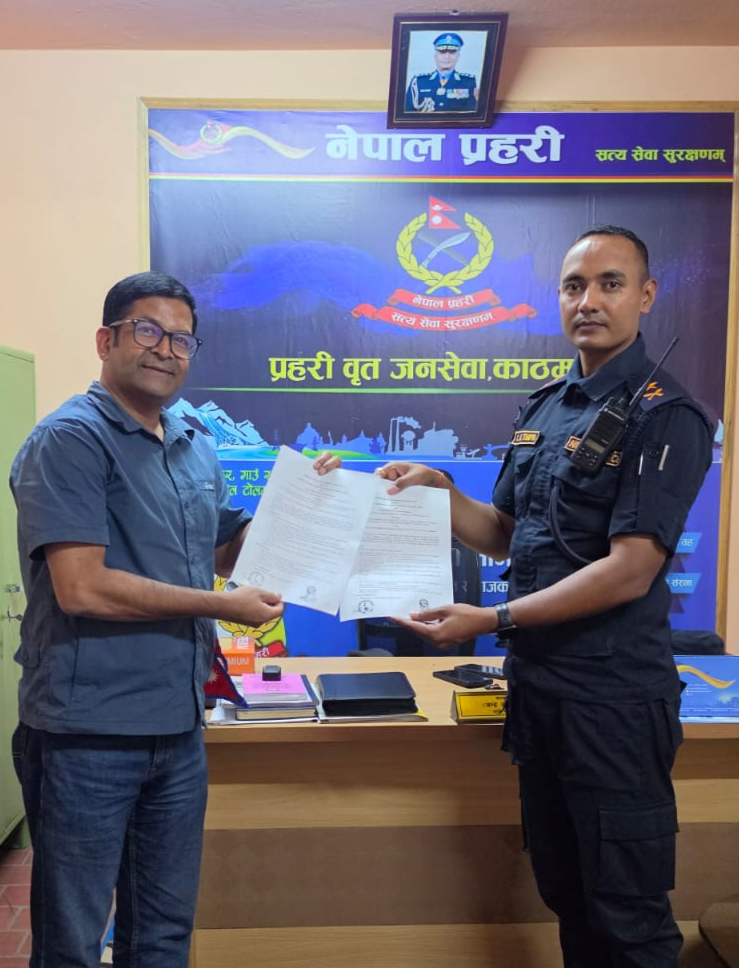
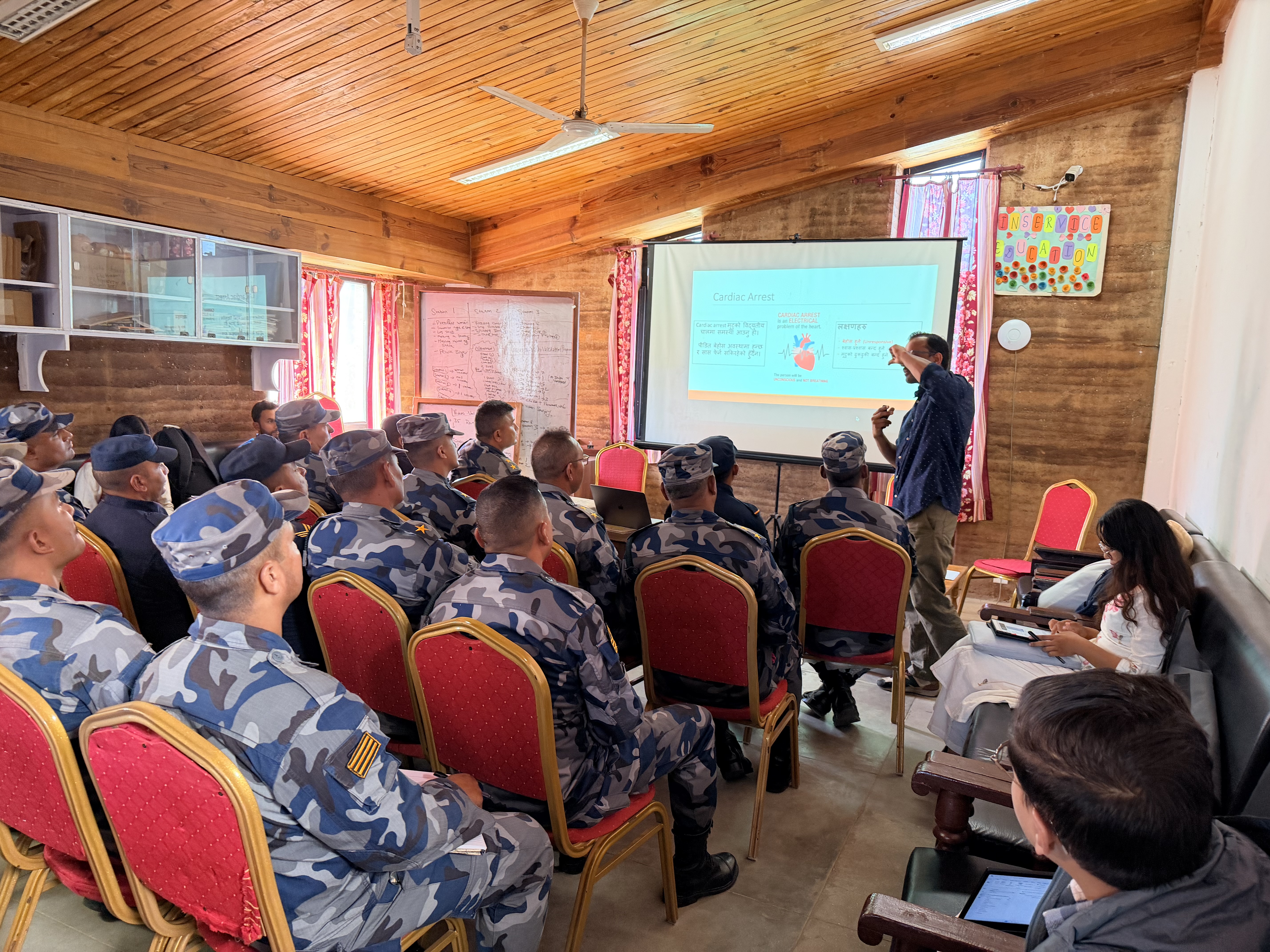
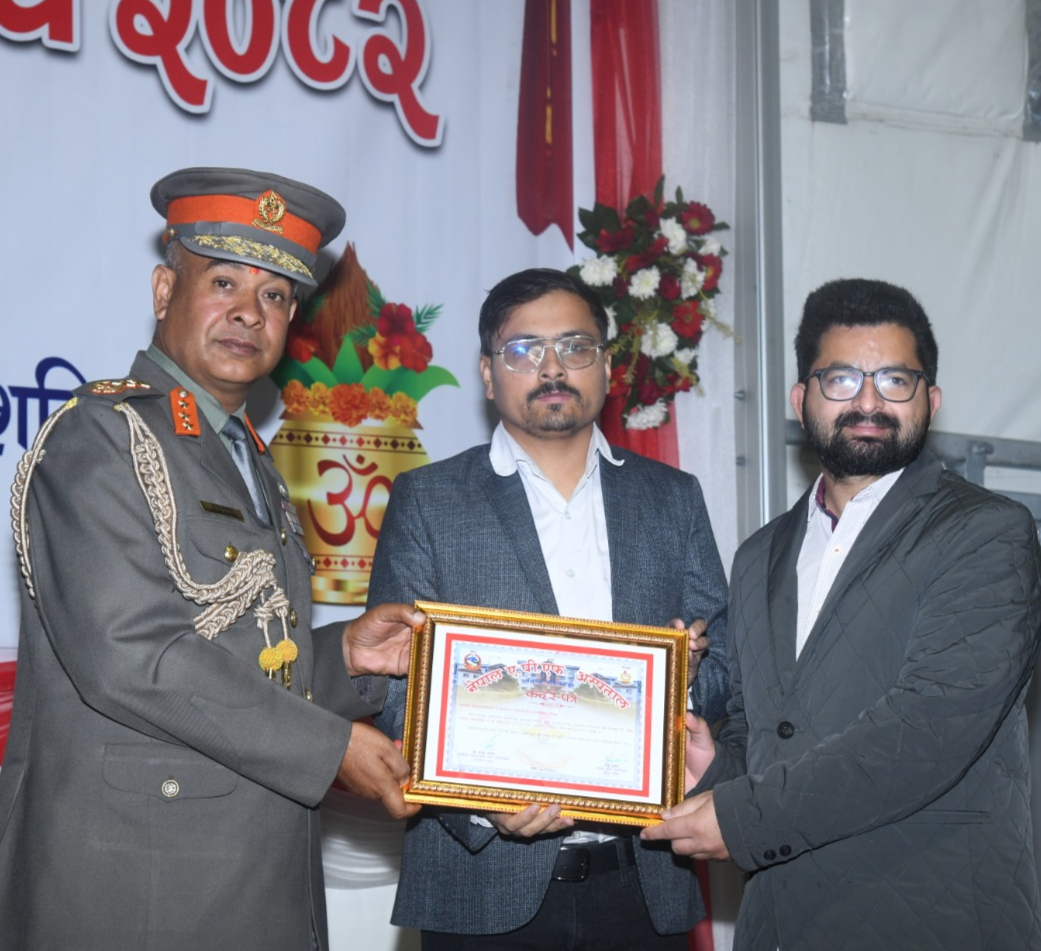
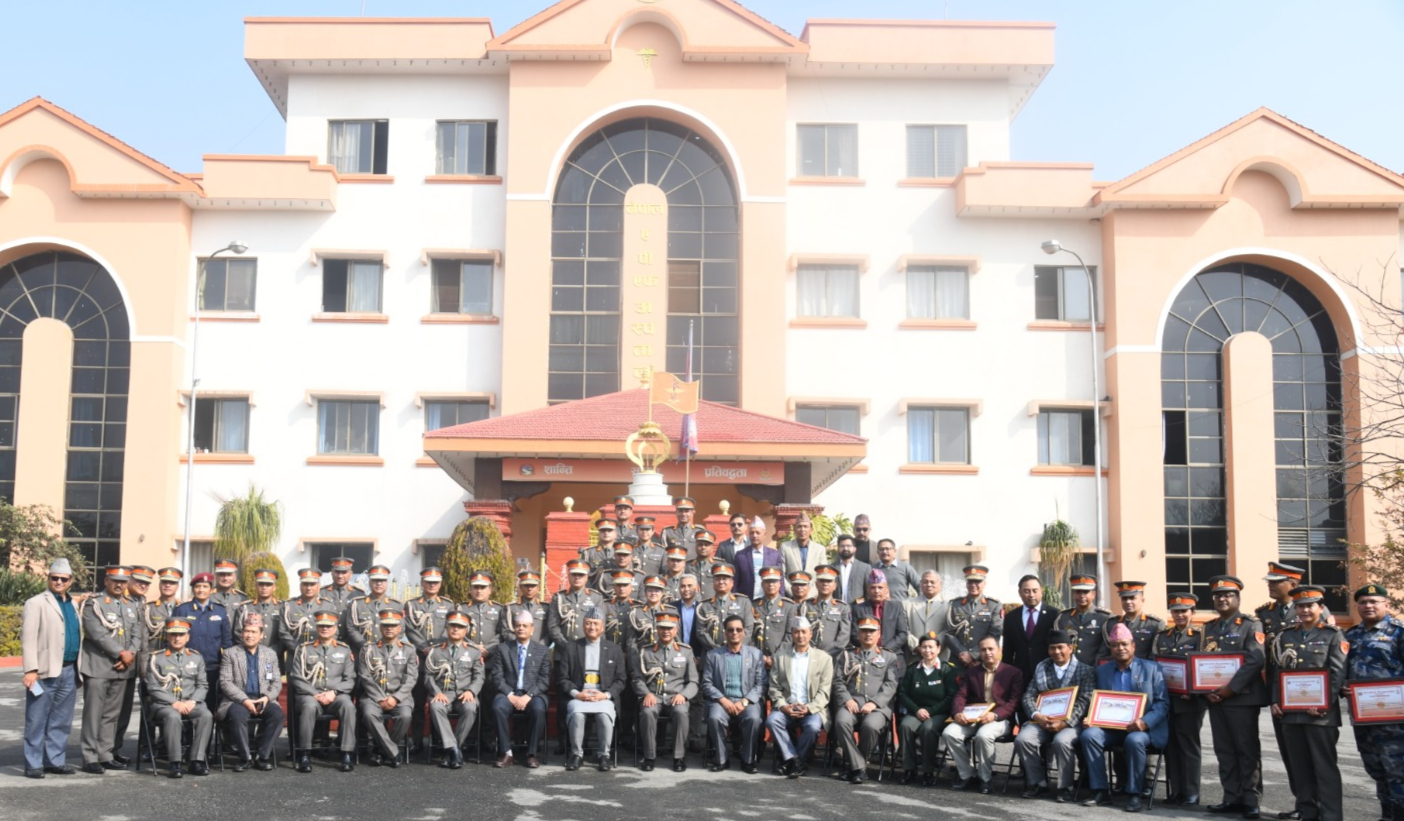
In partnership with Armed Police Force (APF) hospital and Nepal Police, HAPSA Nepal has a Memorandum of Understanding to build emergency response capacity through hands-only CPR and choking first aid training. Police are often the first responders in times of emergencies, and equipping them with lifesaving skills will save lives. Our vision is that all the police of Nepal are equipped with CPR training and there is a sustainable model of training withing these institutions.
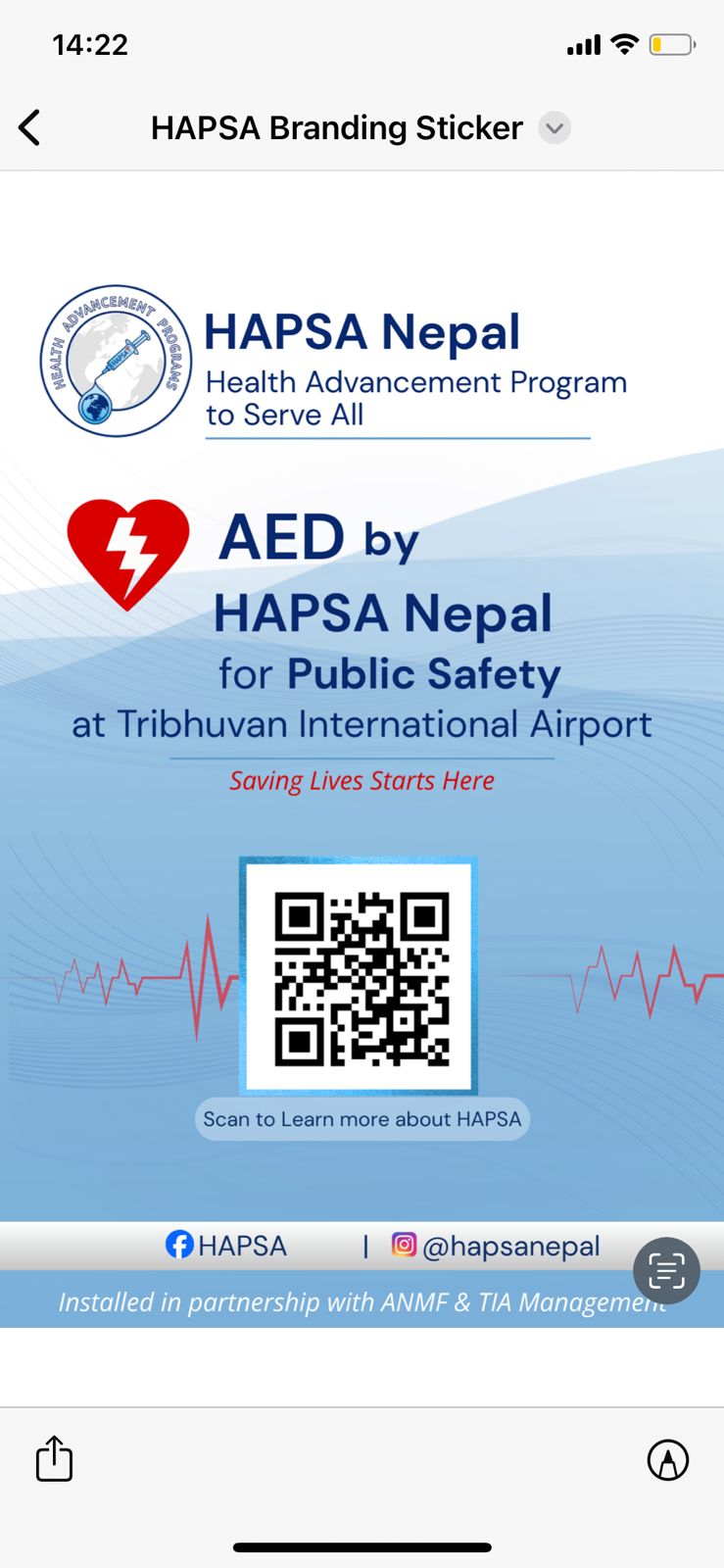
AEDs are essential to save lives after a cardiac arrest. Supported by America Nepal Medical Foundation, HAPSA is pilot testing the feasibility of having public space AEDs for the first time in Nepal. At the international airport and at Bishal Bazaar, the AED machines are being monitored by our team and are available publicly. In parallel, we are working with ViVest to have Nepali language instructions on AED machines. With available funding, we will test AEDs nationally to inform policy and strategy for Nepal health system.
Cardiac Arrest Registry
Bringing Lifesaving Skills into Schools
HAPSA has designed and actively seeking funding support to pilot a cardiac arrest registry in Nepal. Without data to know the incidence of cardiac arrest, systematic improvements will not be possible. Cardiac arrest registry is a must-have data system for path towards improved survival in Nepal. When funding available, we are ready to pilot a seven province cardiac arrest registry pilot to inform future data systems.
In November 2025, HAPSA Nepal conducted the first training of its kind in a Nepali public school at Durbar High School, Ranipokhari, and its first private-school partnership outside the Kathmandu valley at Balmiki International School, Dhangadhi. We are working with the Ministry of Education's Curriculum Development Committee to formalize these curriculum for schools. These are steps toward integrating emergency training into school curricula, in line with the American Heart Association's recommendations.


The Nepali CPR Song
To make CPR unforgettable, HAPSA created a song that teaches it. With hands-only CPR instructions in simple Nepali and a rhythm of 100 to 120 beats per minute, the exact pace recommended for chest compressions, the song turns the technique into something anyone can remember and keep time to in an emergency. A Nepali CPR Song TikTok challenge helped carry it into schools, hospitals, and homes across the country.